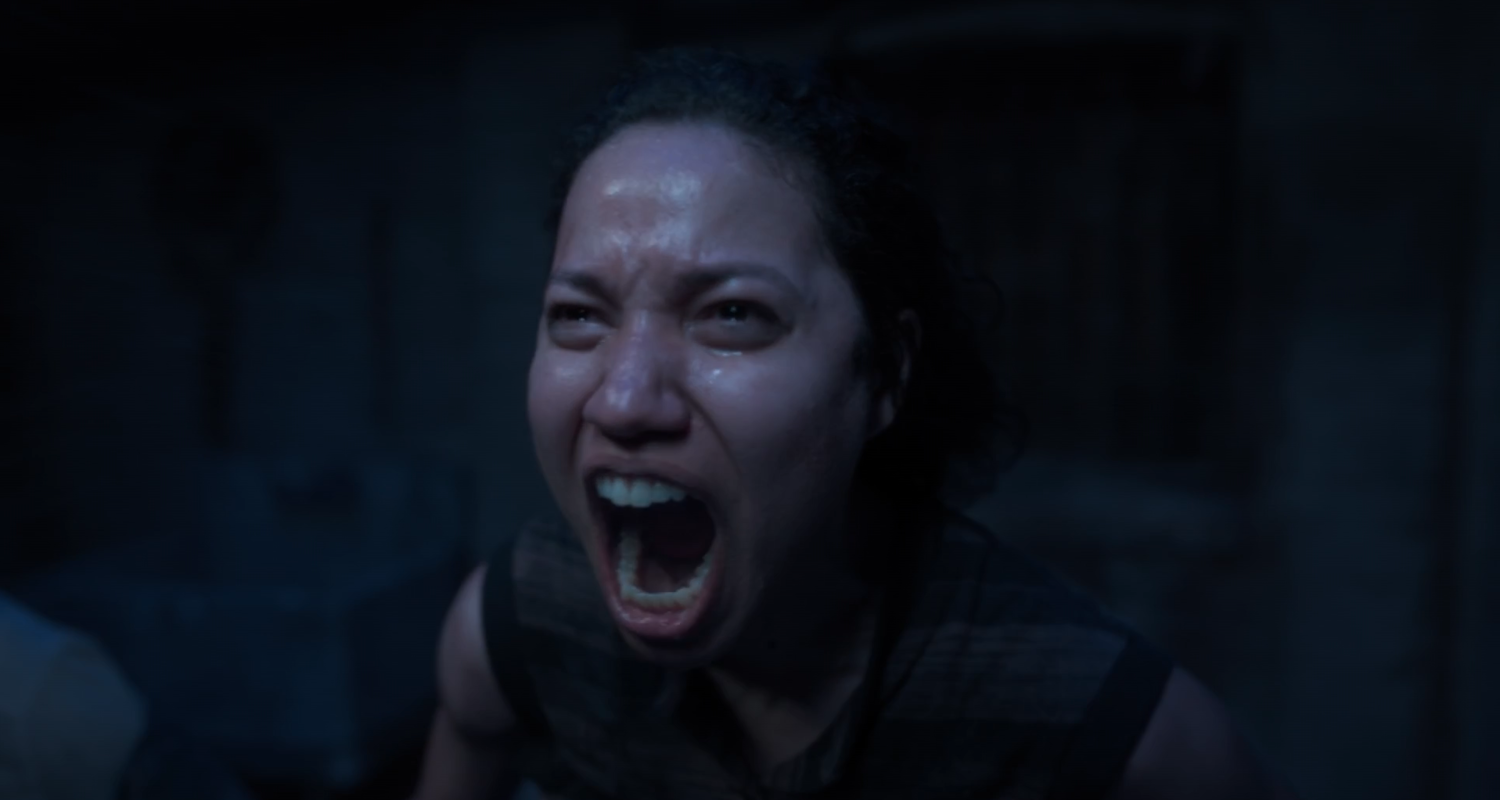
The challenges and discoveries I made in a directed independent study of Black and Indigenous American horror.
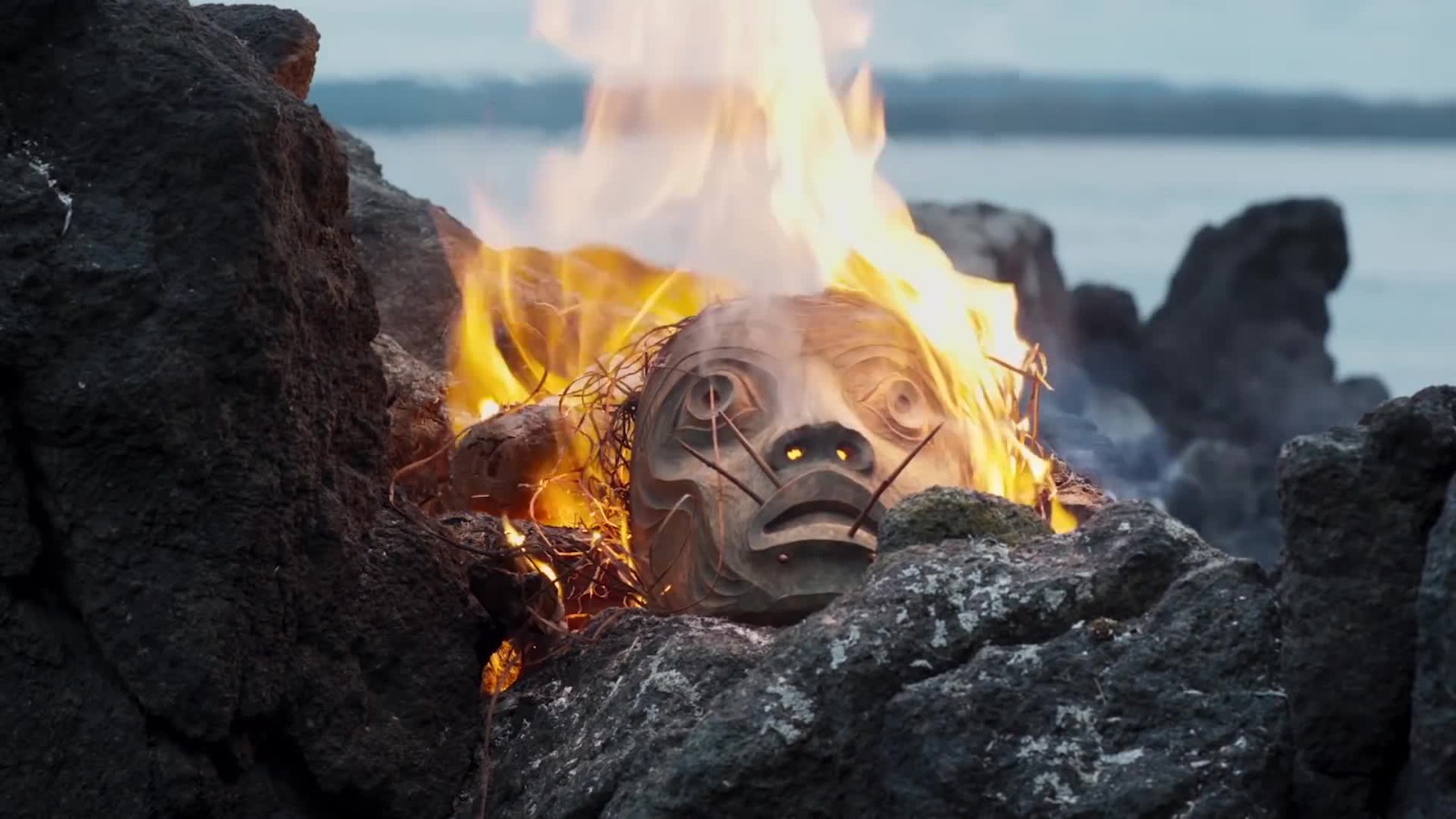
By 2018, fewer than one percent of the Haida were fluent in the language. Edge of the Knife was produced during a cultural and linguistic crisis.
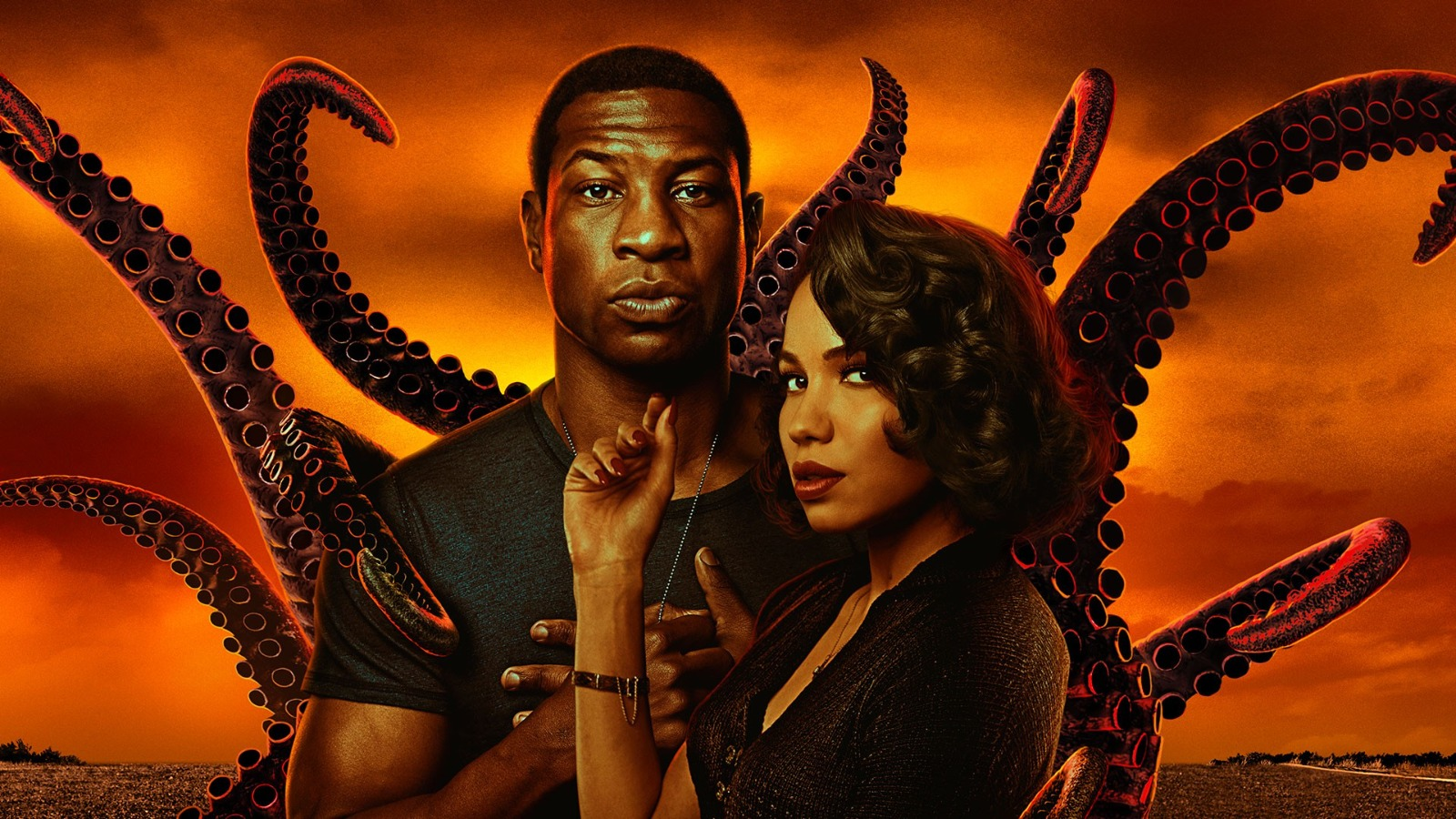
In the fall of 2020, Misha Green's television adaptation of the novel Lovecraft Country aired on HBO. The show is a treat in genre storytelling, pulling together threads of horror, weird fiction, sci-fi, and the gothic into a tale about a black and white family's fight over magic. The show and novel's main character is Atticus "Tic" Freeman, a Korean War veteran and descendant of a woman who was enslaved by the white, rich, and magic-possessing Braithwhite family. However, it is the black female characters in the show who provide the most interesting and illuminating perspective on the intersection between blackness and womanhood in 1950s America. Before delving any further into the characters, we need to talk about bell hooks and what she calls the "oppositional gaze." hooks argues that white slave-owners would punish enslaved black people for looking, an attitude and stigma that has trickled through history into her own experiences.¹ She points out the danger of black men looking at white women, at the violence carried out for just a gaze. An oppositional gaze is a result and response to this stigma. "All attempts to repress our/black peoples' right to gaze had produced in us an overwhelming urge to look, a rebellious desire, an oppositional gaze,"¹ hooks writes. So, what does this have to do with Lovecraft Country? Green's show and its female characters embrace this idea of an oppositional gaze and seek to rectify the erasure of black women in media through black female representation. "When most black people in the United States first had the opportunity to look at film and television," a time closely related to the setting of Lovecraft Country, "they did so fully aware that mass media was a system of knowledge and power reproducing and maintaining white supremacy. To stare at the television, or mainstream movies, to engage its images, was to engage its negation of black representation."¹ In horror, a genre of storytelling most historically defined by its negation and (mis)representation of black people, Lovecraft Country uses its black female characters to subvert and combat the prevalence of white supremacist mass media. hooks argues that the construction of the oppositional gaze comes from a desire to resist media that devalues, objectifies, or dehumanizes black women's place in society, and reconstructs identities in resistance.¹ One of Lovecraft Country's black female filmmakers speaks about this issue of representation and characterization: "We, as Black female artists, don’t have any different depth than anybody. It’s that we don’t get the opportunity to explore the depth of our instrument. How often are writers just writing stories for us to explore and play and be imaginative and curious?" - Jurnee Smollet ("Leti Lewis") Hollywood Reporter
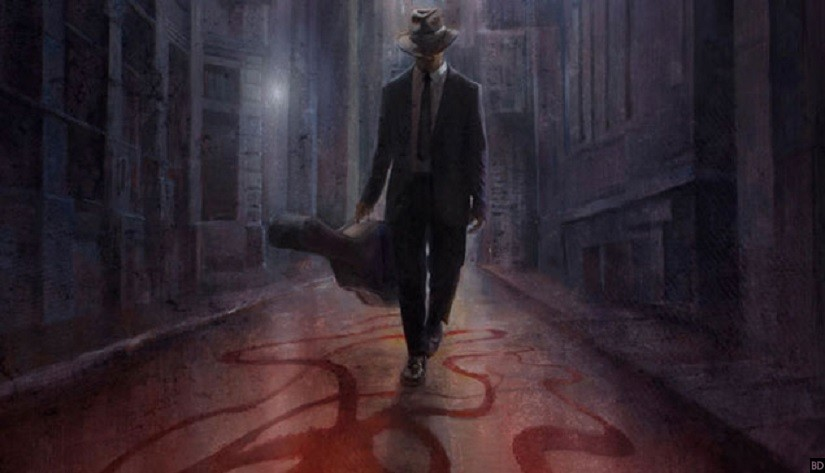
This novella attempts to reconcile the influence H.P. Lovecraft has had on the horror and science fiction genres with the harmful, racist underpinnings of his writing.
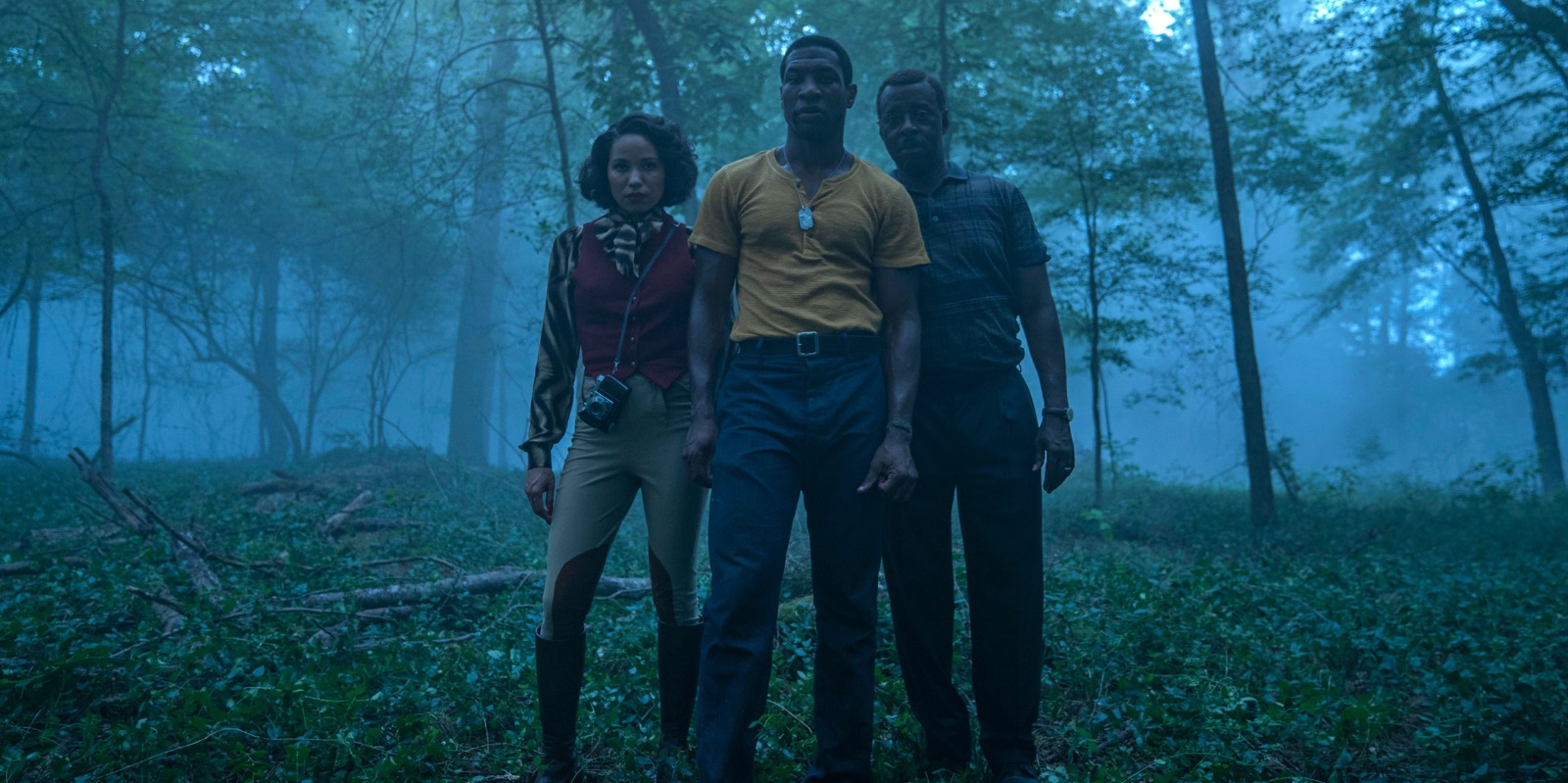
Lovecraft Country uses horror to discuss racism in 1950s America and the genre's place within Black film horror today. Conference presentation by Marisa Moore.
The challenges and discoveries I made in a directed independent study of Black and Indigenous American horror.
The most important thing I learned as an English graduate student was the value of learning to write in many different contexts.
By 2018, fewer than one percent of the Haida were fluent in the language. Edge of the Knife was produced during a cultural and linguistic crisis.
In the fall of 2020, Misha Green's television adaptation of the novel Lovecraft Country aired on HBO. The show is a treat in genre storytelling, pulling together threads of horror, weird fiction, sci-fi, and the gothic into a tale about a black and white family's fight over magic. The show and novel's main character is Atticus "Tic" Freeman, a Korean War veteran and descendant of a woman who was enslaved by the white, rich, and magic-possessing Braithwhite family. However, it is the black female characters in the show who provide the most interesting and illuminating perspective on the intersection between blackness and womanhood in 1950s America. Before delving any further into the characters, we need to talk about bell hooks and what she calls the "oppositional gaze." hooks argues that white slave-owners would punish enslaved black people for looking, an attitude and stigma that has trickled through history into her own experiences.¹ She points out the danger of black men looking at white women, at the violence carried out for just a gaze. An oppositional gaze is a result and response to this stigma. "All attempts to repress our/black peoples' right to gaze had produced in us an overwhelming urge to look, a rebellious desire, an oppositional gaze,"¹ hooks writes. So, what does this have to do with Lovecraft Country? Green's show and its female characters embrace this idea of an oppositional gaze and seek to rectify the erasure of black women in media through black female representation. "When most black people in the United States first had the opportunity to look at film and television," a time closely related to the setting of Lovecraft Country, "they did so fully aware that mass media was a system of knowledge and power reproducing and maintaining white supremacy. To stare at the television, or mainstream movies, to engage its images, was to engage its negation of black representation."¹ In horror, a genre of storytelling most historically defined by its negation and (mis)representation of black people, Lovecraft Country uses its black female characters to subvert and combat the prevalence of white supremacist mass media. hooks argues that the construction of the oppositional gaze comes from a desire to resist media that devalues, objectifies, or dehumanizes black women's place in society, and reconstructs identities in resistance.¹ One of Lovecraft Country's black female filmmakers speaks about this issue of representation and characterization: "We, as Black female artists, don’t have any different depth than anybody. It’s that we don’t get the opportunity to explore the depth of our instrument. How often are writers just writing stories for us to explore and play and be imaginative and curious?" - Jurnee Smollet ("Leti Lewis") Hollywood Reporter
This novella attempts to reconcile the influence H.P. Lovecraft has had on the horror and science fiction genres with the harmful, racist underpinnings of his writing.
Before I began my graduate internship, I had no experience in digital marketing. I had to learn to write in new ways, showing me the power of an English degree.
My technical writing internship began during the COVID-19 pandemic. As I learned to work remotely, I also learned about collaborative work and my own work ethic.
Lovecraft Country uses horror to discuss racism in 1950s America and the genre's place within Black film horror today. Conference presentation by Marisa Moore.